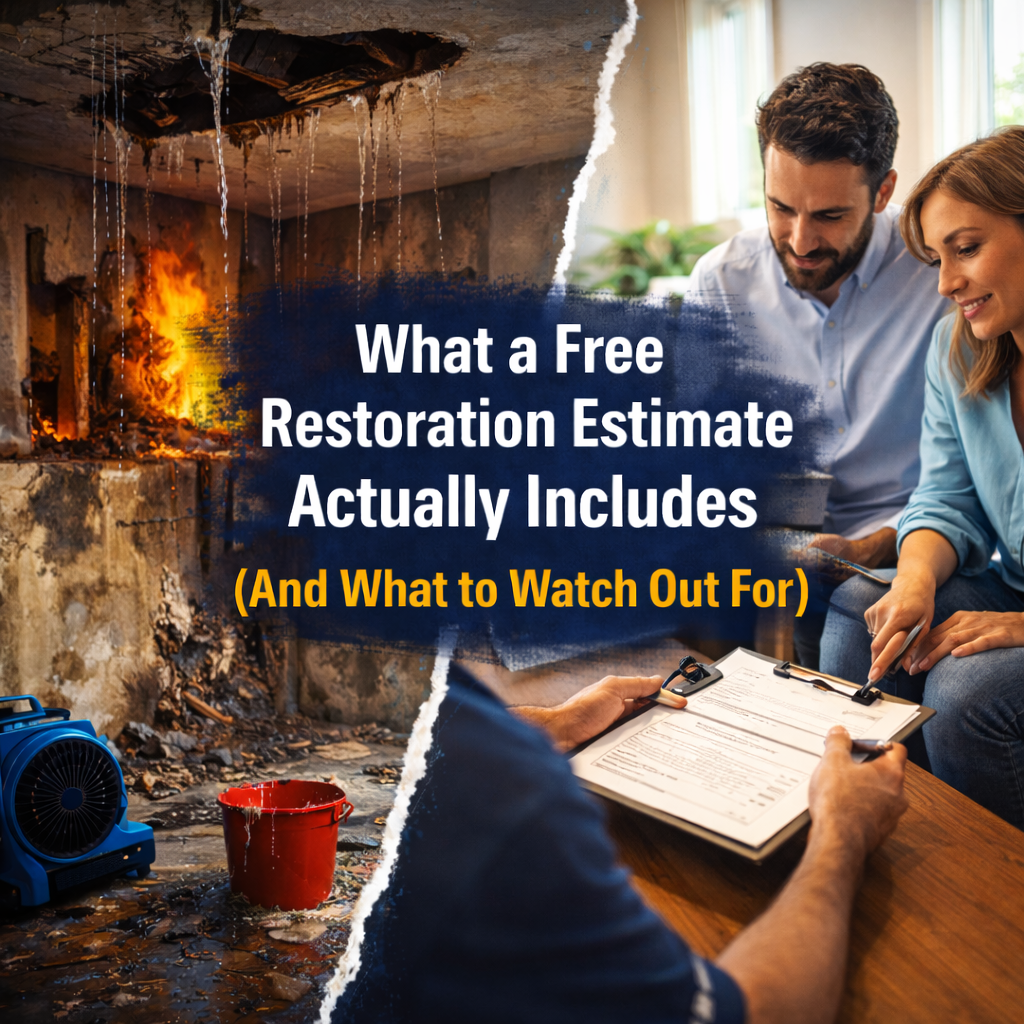
What a Free Restoration Estimate Actually Includes (And What to Watch Out For)
By JGB Restoration | Orange County Property Restoration Experts
The phrase "free estimate" gets thrown around constantly in the restoration industry. But what does it actually mean? What happens during the inspection? What should the estimate include? And perhaps most importantly, how do you know if a company's "free" estimate will lead to surprise charges later? Here's what Orange County homeowners need to know before calling for help.
The Quick Answer
Yes, JGB Restoration provides completely free inspections and estimates for all restoration services throughout Orange County. For emergencies, we respond within 60 minutes, assess damage at no charge, and provide itemized estimates before any billable work begins. No hidden fees, no pressure, no obligations.
Why Free Estimates Matter More Than You Think
Property damage creates immediate financial anxiety. You are already facing unexpected repair costs, potential insurance deductibles, and the disruption of your daily life. The last thing you need is uncertainty about how much the restoration itself will cost or whether you are being charged fairly.
A legitimate free estimate serves several critical purposes beyond simply giving you a number. It allows a professional to properly assess damage that may extend beyond what you can see. It creates documentation that supports your insurance claim. It gives you the information needed to make informed decisions about how to proceed. And it establishes the foundation for a transparent working relationship with your restoration company.
The estimate process also reveals a lot about the company you are considering. How they conduct the inspection, what they examine, how they explain their findings, and how they present the estimate all indicate what kind of partner they will be throughout your restoration project.
What Happens During a Restoration Inspection
A thorough restoration inspection goes far beyond glancing at visible damage. For water damage, this means using moisture meters to detect saturation in walls, floors, and ceilings that may appear dry on the surface. It means checking adjacent rooms and floors for water migration. It means identifying the water source and category, which affects both the restoration approach and insurance coverage.
For mold assessment, a proper inspection includes examining areas where mold commonly hides: behind baseboards, inside wall cavities accessed through outlets or vents, under flooring materials, and in HVAC systems. It means assessing not just visible mold but the conditions that allowed mold to grow, including moisture sources that must be addressed to prevent recurrence.
For fire and smoke damage, inspection extends well beyond charred areas to identify smoke penetration throughout the structure. Smoke travels through any available pathway, including electrical conduits, plumbing chases, and HVAC ductwork. A proper inspection identifies all affected areas, not just the obvious ones.
What a Professional Inspection Should Include
- Visual examination of all affected and potentially affected areas
- Moisture readings using professional-grade meters (for water damage)
- Identification of the damage source and cause
- Assessment of materials affected and their condition
- Evaluation of what can be restored versus what requires replacement
- Documentation with photographs for your records and insurance
- Explanation of findings in terms you can understand
- Answers to your questions without pressure or sales tactics
The Anatomy of a Proper Estimate
A legitimate restoration estimate breaks down the work into clear categories so you understand exactly what you are paying for. Vague estimates with lump-sum pricing should raise immediate concerns. Transparent estimates provide line-item detail.
What Your Estimate Should Show
Emergency mitigation costs cover the immediate response: water extraction, emergency drying equipment setup, board-up services, or whatever immediate action your situation requires. These costs are typically billed based on equipment used, labor hours, and materials consumed.
Structural drying and monitoring includes the equipment rental for the duration of the drying process plus daily monitoring visits to track progress and adjust equipment placement. Most residential water damage requires three to five days of drying, sometimes longer for severe cases or challenging materials like concrete.
Material removal covers demolition and disposal of unsalvageable materials such as saturated drywall, contaminated carpet, or smoke-damaged insulation. This should specify what is being removed and where the removal boundaries are.
Cleaning and treatment includes antimicrobial application, smoke residue cleaning, odor treatment, and other remediation processes. The estimate should specify what cleaning methods and products will be used.
Reconstruction costs cover the repair and replacement of removed materials, including drywall, flooring, painting, and finish work. Some companies provide this as a separate estimate after mitigation is complete and the full scope is visible.
The Insurance Connection
A properly detailed estimate does double duty. It tells you what you will pay, and it provides the documentation your insurance company needs to process your claim. Restoration companies experienced with insurance work create estimates using industry-standard pricing software that adjusters recognize and trust. This streamlines your claim process and reduces disputes about reasonable costs.
Emergency Estimates: When Time Does Not Allow for Paperwork
Water flooding your home at 2 AM does not wait for detailed estimates. In true emergencies, the priority is stopping damage progression, not negotiating pricing. This creates a legitimate tension that some companies exploit and others handle ethically.
Here is how emergency situations should work with a reputable company:
When you call, the company should explain their emergency response process, including any charges that apply. Most reputable companies do not charge for the initial response and assessment. JGB Restoration responds within 60 minutes anywhere in Orange County at no charge to evaluate the situation.
The technician should explain what immediate action is needed and approximately what that action will cost before starting billable work. In most emergencies, the first priority is water extraction and setting up drying equipment. You should understand the approximate cost of this phase before authorizing it.
Once the emergency is stabilized, you should receive a detailed written estimate for the complete restoration before the project continues. This is the point where you can evaluate options, consult with your insurance company, and make informed decisions.
Red Flags in Emergency Situations
Be cautious of companies that pressure you to sign contracts in the middle of the night, refuse to provide any cost information before starting work, or demand large upfront payments before doing anything. Emergency circumstances do not justify abandoning basic transparency. A company that cannot give you reasonable cost expectations during an emergency either lacks experience or intends to surprise you later.
What "Free" Should Actually Mean
The word "free" has been stretched to meaninglessness by some industries. In restoration, a genuinely free estimate means:
No charge for the inspection visit. The company sends a qualified professional to your property, conducts a thorough assessment, and provides findings without billing you anything. This applies whether you hire them or not.
No obligation to proceed. You receive the estimate and can take time to consider it, get other estimates, consult with your insurance company, or simply decide not to proceed. There should be no pressure, no "today only" pricing, and no penalties for declining.
No hidden setup fees or assessment charges. Some companies advertise free estimates but charge "trip fees," "diagnostic fees," or "assessment fees" that conveniently appear on the final bill. Ask explicitly: "Is there any charge at all for you to come look at the damage and provide an estimate?"
No bait-and-switch pricing. The estimate you receive should reflect the actual work proposed. Significant increases after work begins should only occur if hidden damage is discovered, and you should be informed and approve additional costs before they are incurred.
How Restoration Pricing Works
Understanding how restoration companies calculate pricing helps you evaluate whether an estimate is reasonable. Most legitimate companies use industry-standard pricing guides, primarily Xactimate, which insurance companies also use. This creates a common language for restoration costs.
Pricing factors include:
Labor rates vary by region. Orange County rates are higher than national averages due to local cost of living. Expect labor rates between $45 and $75 per hour for technicians, with specialized work commanding higher rates.
Equipment charges cover the specialized machinery required for restoration: commercial extractors, air movers, dehumidifiers, air scrubbers, and monitoring instruments. These are typically charged per unit per day.
Materials include everything consumed during restoration: antimicrobial treatments, cleaning products, plastic sheeting for containment, replacement building materials, and disposal fees for removed items.
Square footage affects scope. More affected area means more labor, more equipment, and more materials. Estimates should specify exactly what area is being addressed.
| Service Type | Typical Orange County Range | Key Cost Factors |
|---|---|---|
| Water Extraction & Drying (per room) | $1,000 - $4,000 | Water category, saturation level, drying time |
| Mold Remediation (contained area) | $1,500 - $6,000 | Square footage, location, materials affected |
| Smoke/Odor Treatment (whole home) | $2,000 - $6,000 | Severity, materials affected, treatment method |
| Content Packout & Cleaning | $500 - $3,000+ | Volume of items, contamination level |
These ranges are general guidelines. Your specific situation may fall outside these ranges depending on unique factors. The estimate process exists precisely to determine accurate pricing for your circumstances.
Questions to Ask Before Accepting an Estimate
Prepare these questions before the estimator arrives. The answers reveal both the company's competence and their integrity.
"What certifications do your technicians hold?" Look for IICRC credentials specific to your damage type. The person providing the estimate should be able to explain the qualifications of those who will perform the work.
"What exactly is included in this estimate?" Push for specifics. What equipment will be used? How many days of drying are anticipated? What materials will be removed? What is included in reconstruction?
"What could cause this estimate to change?" Legitimate reasons include discovery of hidden damage once demolition begins or finding that drying takes longer than anticipated. The estimator should explain what circumstances might affect final cost.
"How do you work with insurance?" Experienced restoration companies understand insurance documentation requirements. They should explain how they will support your claim, whether they bill insurance directly, and how they handle any gap between insurance payment and restoration cost.
"What is your warranty?" Reputable companies stand behind their work. Ask what guarantees accompany the restoration and what recourse you have if problems emerge later.
The Documentation Advantage
Beyond pricing, a good estimate creates valuable documentation. Photographs taken during inspection, moisture readings recorded, damage descriptions written, all of this supports your insurance claim and creates a record of conditions at the time of assessment. Even if you ultimately hire a different company, the inspection documentation has value.
When to Get Multiple Estimates
The value of multiple estimates depends on your situation.
For true emergencies involving active water intrusion, speed matters more than comparison shopping. Every hour of delay allows damage to spread. In these situations, choose a qualified company and begin mitigation immediately. You can still get competitive estimates for the reconstruction phase after the emergency is stabilized.
For non-emergency mold remediation or scheduled restoration work, multiple estimates make sense. Compare not just pricing but scope of work, proposed methods, timeline, and the professionalism of each company's approach. The lowest estimate is not automatically the best value if it reflects cutting corners or missing necessary work.
For insurance claims, your insurer may have preferred vendors or may want their own adjuster to assess damage before you proceed. Understand your policy requirements. That said, you generally have the right to choose your own restoration company rather than accepting whoever the insurance company suggests.
The JGB Restoration Approach
At JGB Restoration, free estimates are exactly that: free. We respond to emergency calls within 60 minutes anywhere in Orange County. We assess damage thoroughly using professional equipment. We explain what we find in plain language. We provide detailed, itemized estimates that you can review without pressure.
Our estimates use Xactimate pricing, the same software insurance adjusters use, which streamlines your claim process. We work directly with your insurance company, handling documentation and adjuster communication so you do not have to navigate that complexity alone.
For non-emergency situations like mold inspections or reconstruction quotes, we schedule assessments at your convenience. Same commitment: thorough inspection, clear explanation, detailed estimate, no obligation.
Owner Chris Langman spent 15 years in the insurance industry before founding JGB Restoration. That background shapes how we approach estimates. We understand what documentation insurers need, what questions adjusters ask, and how to present restoration scope in terms that support your claim. This expertise is built into every estimate we provide.
Ready for Your Free Estimate?
Emergency or scheduled assessment, we are here to help Orange County homeowners understand their options without pressure or obligation.
(949) 339-3292
24/7 Emergency Response | Free Inspections | Direct Insurance Billing
The Bottom Line
A free estimate should be genuinely free: no charges, no obligations, no pressure. It should include a thorough inspection, clear explanation of findings, and detailed documentation of proposed work and costs. The estimate process reveals as much about the company as it does about your damage.
When property damage strikes, you deserve clarity about what happened, what needs to happen next, and what it will cost. That clarity should come without strings attached. Any company unwilling to provide that basic transparency is not a company you want in your home.
If you are facing property damage in Orange County, or simply want a professional assessment of a concern, call JGB Restoration. The inspection costs you nothing. The information might save you thousands.


.png)